South Luangwa Walking Safari
South Luangwa Walking Safari
The Birthplace of the African Walking Safari Experience
A South Luangwa Walking Safari is one of the most authentic and rewarding wildlife experiences in Africa. Set in one of Zambia’s most wildlife-rich national parks, this legendary safari strips away vehicles, engines, and barriers — allowing travelers to explore the African bush on foot, guided by expert rangers who read the land like a living map.
Often called the birthplace of the walking safari, South Luangwa National Park offers a rare opportunity to experience nature at ground level, where every footprint, sound, and scent tells a story.
This is not about speed or spectacle. It is about awareness, respect, and deep connection with the wild.
Continue Reading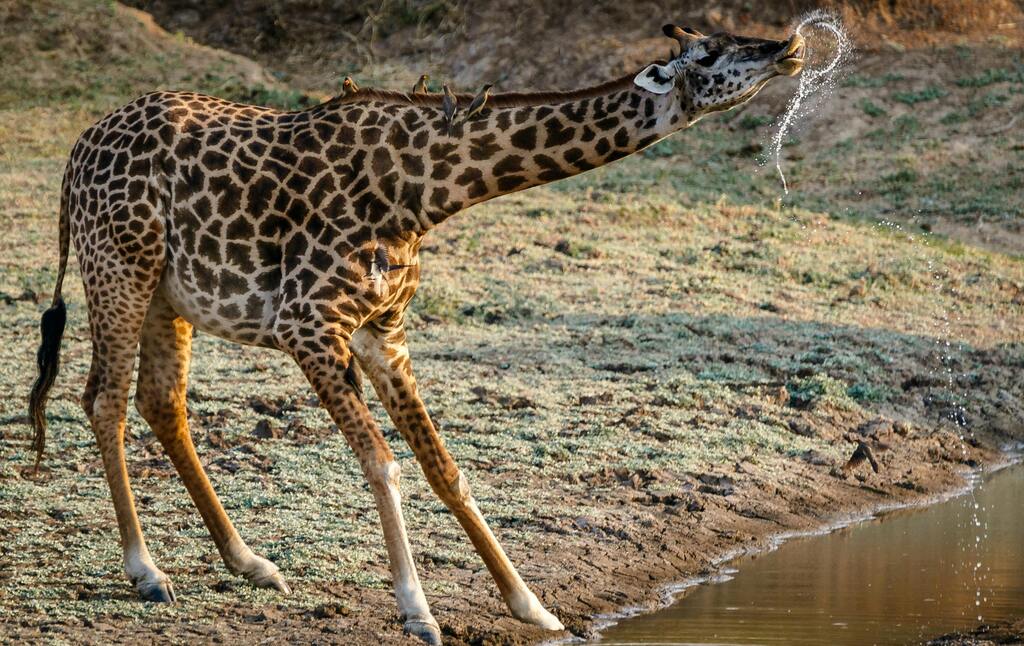
South Luangwa National Park — A Wilderness Untouched
Located in eastern Zambia, South Luangwa National Park is one of Africa’s finest and least commercialized safari destinations. The park is shaped by the meandering Luangwa River, which sustains vast populations of wildlife and creates a mosaic of floodplains, woodlands, and riverine forests.
Unlike many safari destinations, South Luangwa remains wonderfully raw. There are no fences, and animals move freely through the ecosystem, following ancient migration patterns that have remained unchanged for centuries.
This untamed quality makes it the perfect setting for a walking safari.
Why Walking Safaris Are Different
A walking safari is not about chasing the Big Five. It is about understanding the bush.
On foot, everything changes:
You notice animal tracks pressed into the sand
You hear alarm calls and distant movements
You smell wild sage, dust, and river air
You feel the scale of the land beneath your feet
Each walk is slow, deliberate, and guided by experienced armed safari guides and scouts, whose knowledge of animal behavior and ecology ensures both safety and insight.
The Rhythm of a South Luangwa Walking Safari
Walking safaris usually take place in the early morning, when the air is cool and wildlife is most active. After a safety briefing, small groups set out quietly into the bush, moving with purpose but without haste.
Guides pause frequently to interpret signs:
Fresh lion or leopard tracks
Elephant pathways carved over generations
The subtle difference between old and new spoor
Termite mounds, medicinal plants, and insect life
Every walk is unique, shaped by the movements of animals that day.
Wildlife Encounters on Foot
South Luangwa is renowned for its dense wildlife populations, and seeing animals on foot is profoundly different from viewing them from a vehicle.
Common encounters may include:
Elephants, feeding quietly in the distance
Giraffes, moving gracefully through woodland
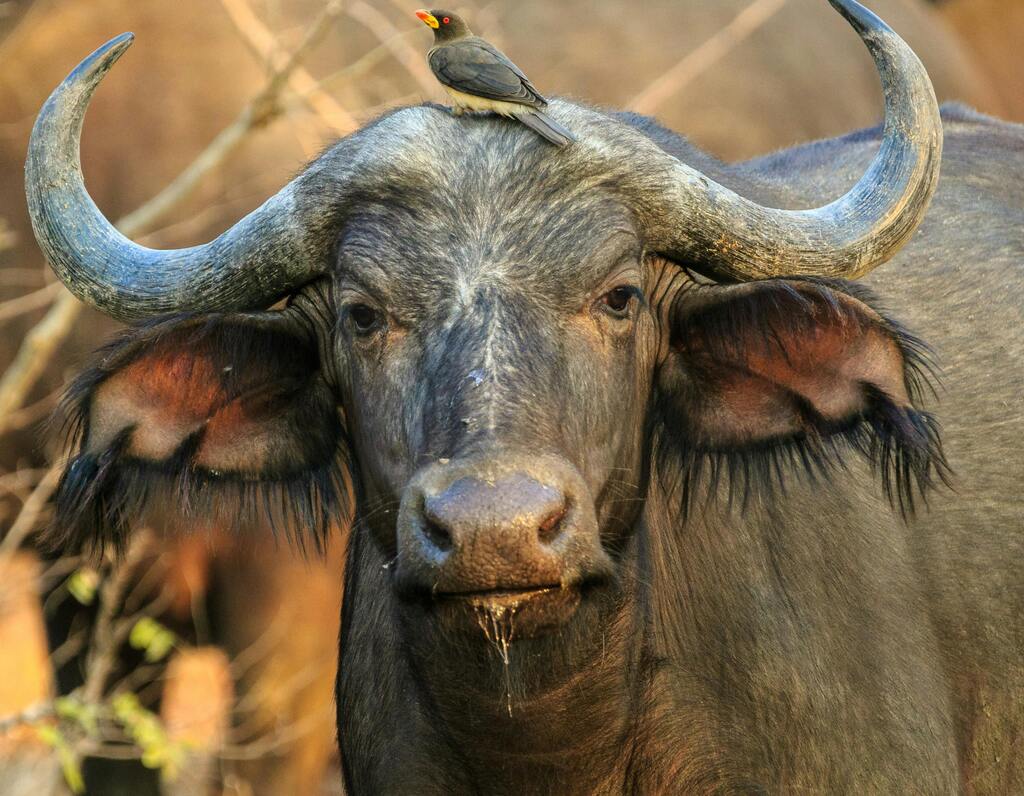
Buffalo, grazing across open plains
Zebras and antelope, alert and watchful
Hippos, resting along the Luangwa River
Predators such as lions and leopards are often detected through tracks or calls rather than close contact — adding to the sense of mystery and respect.
Expert Guides: The Heart of the Experience
What truly defines a South Luangwa Walking Safari is the quality of its guides. Many are among the most highly trained in Africa, with years — sometimes decades — of experience in the park.
Their role is not only to lead but to teach:
Animal behavior and tracking
Bush survival knowledge
Ecology and conservation
Cultural connections to the land
Their calm authority and deep respect for wildlife set the tone for the entire experience.
Safety in the Wild
While walking safaris are adventurous, they are also carefully controlled.
Key safety measures include:
Small group sizes
Armed professional guides and scouts
Strict adherence to animal behavior protocols
Clear communication and positioning at all times
Guests are briefed on how to walk, where to stand, and how to respond if animals are encountered at closer range.
Safety and respect always come first.
The Intimacy of Being on Foot
There is a powerful intimacy that comes with walking in the bush. Without engines or radios, the experience feels ancient — as though you are moving through the land as humans once did.
Moments of silence are common and encouraged. You might stand quietly as a herd of elephants passes downwind, or pause beneath a tree while birds settle back into their calls.
These are moments that stay with you long after the safari ends.
When to Go on a South Luangwa Walking Safari
Walking safaris are typically offered during the dry season, from June to October, when visibility is high and wildlife congregates around water sources.
June–August: Cooler temperatures, excellent walking conditions
September–October: Hotter, more intense, with exceptional wildlife sightings
The green season (November–March) is lush and beautiful but less suitable for walking due to vegetation and rain.
Who Is a Walking Safari For?
A South Luangwa Walking Safari is ideal for:
Nature lovers seeking authenticity
Adventure travelers
Repeat safari guests wanting something deeper
Photographers and wildlife enthusiasts
It is not recommended for:
Very young children
Travelers with limited mobility
Those seeking luxury without physical activity
A reasonable level of fitness and comfort with walking is required.
Why South Luangwa Is World-Famous for Walking Safaris
The Original Walking Safari Destination
This is where the concept was refined and perfected.
Unmatched Wildlife Density
The Luangwa Valley supports extraordinary numbers of animals.
A True Sense of Wilderness
No crowds, no mass tourism — just you and the bush.
Deep Conservation Ethos
Walking safaris promote respect, understanding, and sustainable tourism.
Closing Thoughts: Walking with the Wild
A South Luangwa Walking Safari is not about ticking off animals on a list. It is about slowing down, listening, and learning.
With each step, you become more aware of the rhythms of the natural world — and your place within it. The bush teaches patience, humility, and wonder.
For many travelers, this experience becomes the most meaningful part of their journey through Zambia — a reminder that the wild is not something to be observed from a distance, but something to be respectfully shared.
ZambiaSearch our Network. Start here.